Oil Filter Replacement
A clogged filter opens its bypass valve, so dirt circulates through the engine unfiltered. We fit a genuine or OEM filter with a new sealing ring every visit.
Our car oil change in Dubai matches the exact grade and approval your engine needs. We drain the sump fully, swap the filter and check for leaks before handover.
5-star on Google · 87 reviews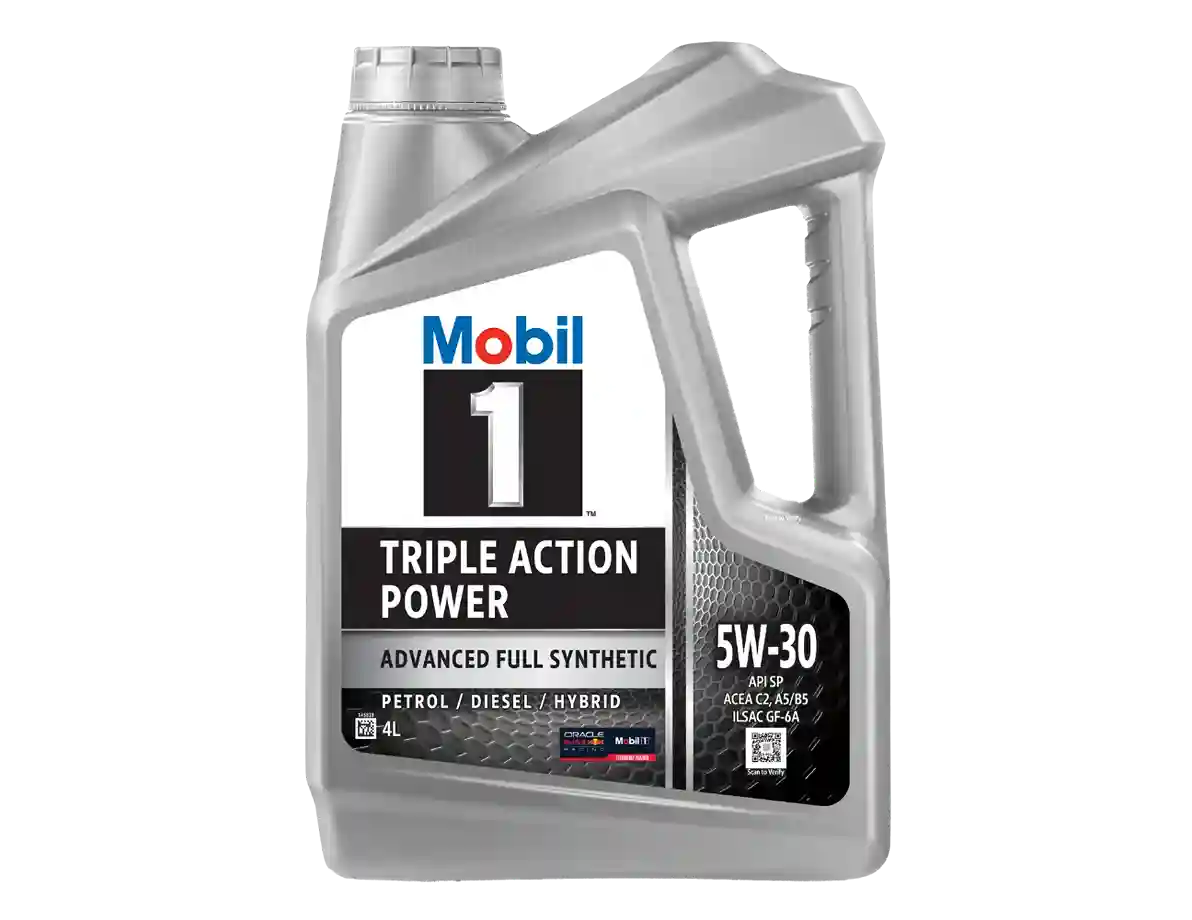
The facts
With summer air close to 50°C, long stop-start queues push the sump through far more heat cycles than a mild climate ever would. Most owner's manuals class hot weather, heavy traffic and short trips as severe driving, which calls for shorter change intervals. We start from that severe schedule, then adjust it to your monthly distance and daily routes.
Quality matters as much as timing. Synthetic grades resist heat breakdown far longer than mineral ones, which is why most modern turbocharged engines specify them.

Know the signs
Each sign below has a clear cause.
Service Reminder on the Dashboard: The change interval stored by your vehicle has run out.
Red Low-Pressure Warning Light: The level is too low, or the pump cannot build enough pressure.
Dark, Gritty Fluid on the Dipstick: Additives are spent, and dirt is now circulating.
Ticking Noise at Cold Start: A thin or low fill is slow to reach the valve train.
Burning Smell After a Drive: A leak is dripping onto hot exhaust parts.
Louder Engine Than Usual: Metal parts are losing their protective film.
Spots Under the Car: The drain plug, filter seal or a gasket is leaking.
Each service below uses the grade, quantity and approval printed in your manual, never a one-size-fits-all bottle.
A clogged filter opens its bypass valve, so dirt circulates through the engine unfiltered. We fit a genuine or OEM filter with a new sealing ring every visit.
Full synthetic flows quickly at start-up and resists breakdown under very high heat. We use it for turbocharged and modern engines, matching the exact viscosity and approval listed.
A blend of mineral and synthetic base stocks handles heat better than a conventional grade at a lower cost. It suits daily commuters who cover moderate annual mileage.
Mineral-based grades still fit many older engines that were designed around them. We follow the original specification and keep intervals short, since mineral grades break down faster here.
Formulas for older engines carry seal conditioners that soften old rubber and cut seeps. If yours burns through fills between visits, our car engine repair team traces it.
Diesels create more soot, and those with particulate filters need low-ash formulas. We use the exact specification your diesel requires, protecting both the engine and its exhaust filter.
Many brands require a grade carrying their own approval code, such as MB 229.52 or BMW Longlife-04. We match that code exactly, keeping your service history fully factory-compliant.
A reused crush washer often seeps after a few weeks. We fit a new washer every time, replace damaged plugs and tighten them to the correct torque value.
We inspect the sump, filter housing, valve cover and timing cover for fresh seepage. Any leak gets photographed and explained, so you decide whether to fix it now.
After the work, we reset the service indicator using the correct procedure or diagnostic tool for your vehicle. The next reminder then appears at exactly the right distance.
Each formula suits a different engine and driving style. The intervals below reflect local heat, so always confirm against your owner's manual.
| Type | Best Suited For | Typical Interval in Local Conditions |
|---|---|---|
| Conventional | Older, naturally aspirated engines with simple specifications | Around 5,000 km |
| Semi-synthetic | Everyday commuters wanting extra protection at a moderate price | Around 7,500 km |
| Full synthetic | Turbocharged, high-performance and most modern engines | Up to 10,000 km or as the maker states |
| High-mileage | Engines past roughly 120,000 km with minor seepage | Around 5,000 to 7,500 km |
| Diesel-specific | Diesels fitted with particulate filters | As the maker's schedule states |
Before draining anything, we look up the formula and fill capacity listed for your specific model and engine code. If a previous workshop used the wrong type, we explain the difference and switch you to the correct one. Your windscreen sticker then shows the interval that suits the formula we fitted.
Three details printed on the bottle decide whether it is right for your engine, and we check all three before a single litre goes in.
In a grade like 5W-30, the first number shows cold-start flow and the second shows thickness when hot. We pour only the exact grade printed in your handbook.
Ratings such as API SQ, ILSAC GF-7 and ACEA C3 prove a bottle passed key wear tests. We use grades meeting the newest versions, introduced in March 2025.
Brands like Mercedes-Benz, BMW, Volkswagen and Porsche test grades themselves and publish approval codes. We read that code from your service booklet and match it on the bottle.
When your schedule is tight, our technician can bring the drain equipment, fresh fill and filter to your driveway or office parking. The job takes about the same time as a workshop visit, and the old fluid is collected for responsible disposal.
Some vehicles still need a lift, especially those with undertrays or awkward drain plugs. In those cases, we arrange free collection and bring the vehicle back once the change is complete.
Step by step
We carefully read your manual or maker data to confirm the correct grade, approval code and exact fill capacity before opening anything.
The engine runs briefly so the old fill flows freely. We then drain it completely and check the drained fluid for metal.
The filter goes on with a lubricated seal. The drain plug gets a fresh washer and is torqued to the correct value.
We pour in the measured quantity of approved grade, run the engine for a minute, then recheck the level on flat ground.
With everything warm, we look carefully around the filter, plug and covers. Any seepage gets noted with photos for your own records.
The service reminder is reset, and a sticker shows the date and distance for your next visit. You leave with everything documented.
Why 800 Exotic
We employ 50 MOIAT-certified technicians, and they work from your maker's approval code before any refill, so the engine always gets its designed grade.
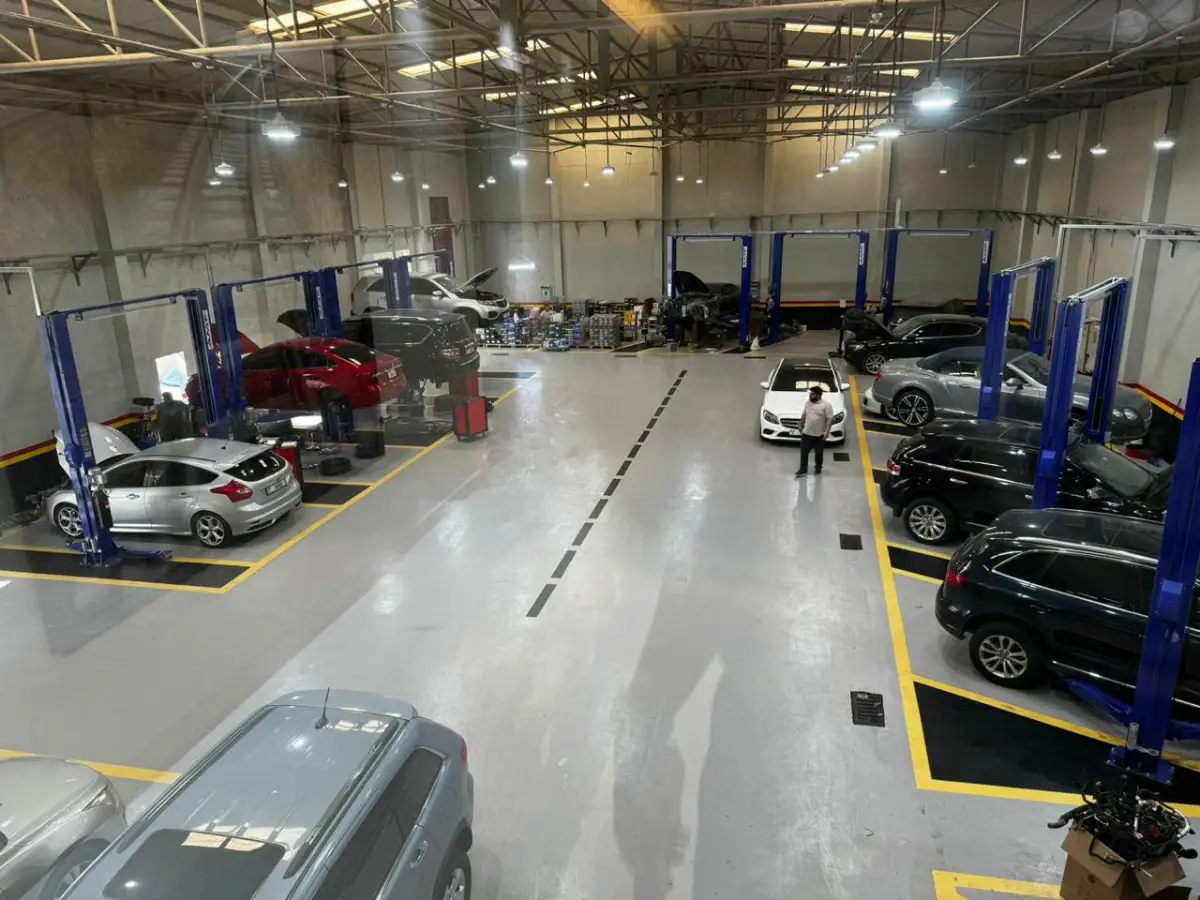
With 20+ hydraulic lifts at our Al Quoz facility, a routine visit rarely waits behind a major repair, so you avoid sitting for hours.
A full synthetic service with a genuine filter often costs up to 30% less here than the dealer's menu price, using the same grade.
Busy owners can skip the drive. A driver collects the vehicle, completes the work at our facility and returns it to your door free.
Owners have left 87 Google reviews with a 5.0★ average, a record built over 15+ years and more than 50,000 vehicles we have serviced.
Our technicians spot warning signs such as sludge, fuel dilution or coolant traces while the old fill drains, then report anything unusual at handover.
Dubai · Abu Dhabi · Sharjah
We collect vehicles from homes and offices in all three cities, then return them when the work is finished. You can also drive straight to our workshop in Al Quoz without an appointment. A quick WhatsApp with your make, model and mileage helps us prepare the right filter in advance.
Find our Al Quoz workshop on Google Maps DubaiAl Quoz
 Abu DhabiMusaffah
 SharjahIndustrial Area 10
A fresh fill is the cheapest protection your engine can get. Routine servicing at 800 Exotic sits under the same roof as every car repair in Dubai we handle, so your history stays in one record. Send your make and mileage to book a car oil change in Dubai, and we keep the right filter ready for your visit.
Answers
Yes. Synthetic grades are fully compatible with engines that previously ran on conventional ones, as long as the viscosity and approval code match your manual. Most owners notice smoother cold starts.
Full synthetic usually lasts up to 10,000 km here, semi-synthetic about 7,500 km and conventional around 5,000 km. Your manual's severe-service schedule is the final guide for your engine.
Most changes take 30 to 45 minutes, including the filter, leak check and reminder reset. Vehicles with undertrays or hard-to-reach filters may take a little longer.
Some consumption is normal, especially in turbocharged engines. Heavy use can point to worn piston rings, hardened valve seals or a faulty PCV valve, and each of these is testable.
An excess fill gets whipped into foam by the crankshaft, which reduces protection and can damage seals. We measure every refill carefully to avoid this problem.
Yes. Dripping injectors wash fuel past the piston rings into the sump. Car injector cleaning restores the spray pattern, and any injector that still leaks gets replaced.
Yes. Milky, metallic or fuel-smelling fluid often hints at deeper faults, which is why a car pre-purchase inspection includes this check before you buy.
5-star rated on Google
Every one of our 87 Google reviews is 5 stars. Read what owners say about their repairs, then see the full list on our Google profile.
Offering a full range of services, state-of-the-art equipment, and years of experience, we promise the finest care for your vehicle.