Transmission Diagnostics
We scan the TCU, log shift times and line pressure, then test-drive. Misfires can feel like slipping, so engine repair check rules them out early on.
Our specialists handle car transmission repair in Dubai across automatic, CVT, dual-clutch and manual units. We road-test with you, confirm the fault on a scan tool and fix only what failed.
5-star on Google · 87 reviews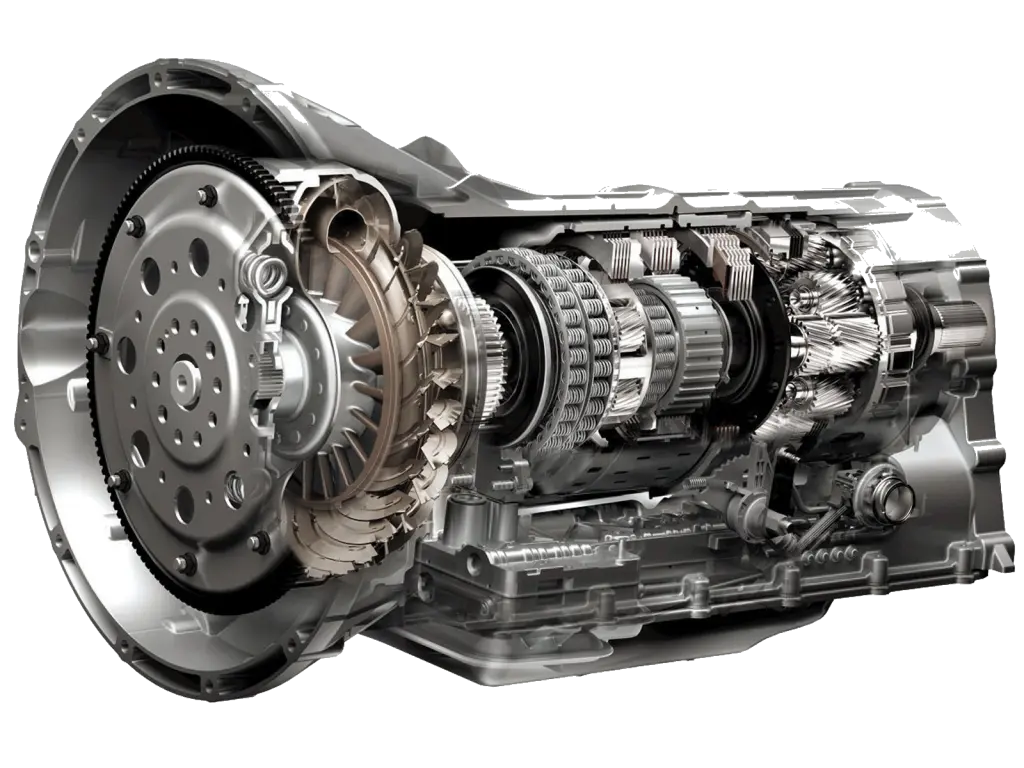
The facts
Gear oil works hardest when it stays cool, and local summers rarely allow that. Fluid life halves with every 11°C rise above roughly 91°C, and seals start leaking past 121°C. Slow traffic, steep car park ramps and towing push many gearboxes beyond those limits.
Our team reads live oil temperature during every road test. That single number often explains slipping, shudder and harsh shifts before we lift the vehicle, so you get a faster and more accurate answer. Most automatics also cool their oil through the radiator, so car radiator repair often cures overheating shifts too.
Know the signs
Most failures give clear warnings first. Here is what each sign usually means and what happens if you wait.
Revs flaring between gears: Worn clutch packs or low line pressure usually cause this, and ignoring it burns the friction plates.
Delay when selecting D or R: A low level, weak pump or worn seals is the usual culprit, and it can end in total loss of drive.
Harsh or jerky shifts: A sticking valve body or faulty solenoid often sits behind it, putting extra strain on clutches and bands.
Shudder at 40 to 80 km/h: Torque converter clutch wear causes this, and the debris it sheds spreads through the whole gearbox.
Stuck in one gear: A stored fault has triggered limp mode, which can leave you stranded on the highway.
Whining or humming: Pump wear or tired differential bearings make this sound before parts seize.
Burning smell: Overheated oil gives off this odour and speeds up internal wear.
Red or brown drips: A leaking pan gasket, seal or cooler line drops pressure and leads to slipping.
Scan tools store a code whenever the TCU spots a problem. We read each one alongside live data, and these are the codes that appear most often.
| Code | What It Means | What We Usually Find |
|---|---|---|
| P0700 | Gearbox control system fault flagged | A second stored code that points to the real failure |
| P0715 | Input or turbine speed sensor circuit | Failed sensor, damaged wiring or a weak connector |
| P0730 | Incorrect gear ratio | Slipping clutches or weak pressure |
| P0741 | Torque converter clutch stuck off | Worn converter clutch or a faulty TCC solenoid |
| P0750 | Shift solenoid A malfunction | Open circuit, internal short or debris in the valve |
| P0218 | Fluid over temperature | Blocked cooler, low level or heavy slipping |
| P0868 | Fluid pressure low | Weak pump, clogged filter or internal leaks |
We match every job to a confirmed fault, so you never pay for parts it did not need.
We scan the TCU, log shift times and line pressure, then test-drive. Misfires can feel like slipping, so engine repair check rules them out early on.
We drain or machine-exchange old ATF, refill with the exact specification your maker lists and set the level at the correct temperature. Overfilling or underfilling both cause trouble.
A blocked filter starves the pump and drops pressure. We replace the filter, clean magnets, inspect debris for clutch material and refit the pan with a fresh gasket.
CVTs need their own dedicated fluid, never standard ATF. We drain, refill and reset the fluid degradation counter, so the control unit tracks wear correctly from day one.
Wet dual-clutch units need fresh oil and a filter at set intervals. We complete the service, then let the clutches relearn so take-offs stay smooth and judder-free in traffic.
Gear oil in a manual shears down and loses protection over time. We drain it, check the plug for metal and refill with the correct viscosity and grade.
We clean the casing, trace drips with UV dye and replace failed pan gaskets, axle seals, input seals or selector seals. Small leaks quickly become a low-pressure failure.
Corroded or cracked cooler lines spray fluid onto hot parts. We replace damaged lines, fittings and clamps, then pressure-test the circuit to confirm a fully dry, leak-free seal.
The valve body directs pressure to clutches. We strip, clean and recondition worn bores and valves, curing harsh shifts, flare and wrong gear selection without a new unit.
Shift and pressure solenoids fail electrically or stick with debris. We test resistance and response time, replace faulty parts and clear stored codes once every shift is verified.
DSG, PDK and similar dual-clutch units combine hydraulics and electronics in one module. We fix failed sensors, pressure accumulators and circuit boards, then code it to your vehicle.
We restore damaged TCUs and install the latest maker software, which often fixes delayed shifts and low-speed judder. Corroded connectors and chafed harnesses get traced and repaired too.
A stretched cable or worn selector bushing causes vague shifts and wrong gear displays. We adjust or replace the cable, linkage and selector switch for precise, positive engagement.
After any work or fluid change, the TCU must relearn clutch fill times. We reset and rerun adaptations using factory procedures, restoring crisp shifts without trial and error.
A worn converter clutch causes shudder, slipping and overheating at speed. We rebuild or replace the converter and flush the cooler, removing debris that would damage new parts.
Collapsed mounts let the unit move, causing clunks on take-off and vibration through the floor. We inspect them under load and fit genuine replacements for smooth power delivery.
We strip the unit completely, replace clutch packs, steels, seals, bushings and the filter, then bench-test the valve body. The rebuilt transmission returns to original factory shift quality.
When the case is cracked or parts are unavailable, we fit a new, exchange or quality used unit. Each swap includes fresh oil, coding and a calibrated test drive.
We fix slipping, delayed engagement, limp mode and harsh shifts in 6, 8, 9 and 10-speed automatics. Every job starts with pressure testing, so we target the failure.
We replace worn belts, scored pulleys, failed step motors and damaged bearings in Nissan, Toyota and Honda CVTs. Repairing it often costs far less than buying brand new.
Grinding gears, jumping out of gear and stiff shifts usually mean worn synchros or bearings. We rebuild it, replace the clutch kit if needed and restore precise shifting.
Whining that changes with speed comes from worn differential bearings. We set backlash and preload to spec, then refill with the correct gear oil for 4x4 use.
Clicking on full lock means a worn CV joint, while vibration under acceleration points to driveshaft issues. We replace joints, boots, centre bearings and then balance the shaft.
The right choice depends on what failed inside and how quickly you need the vehicle back. We explain both options before any work starts.
An overhaul suits worn clutches, seals and valve bodies when the case and hard parts are healthy. It usually costs less and keeps the factory gearbox with matching numbers. Most overhauls take 3 to 6 days and need only a quick relearn afterwards.
A replacement fits better after severe overheating, a cracked case, seized gears or when rebuilt parts are back-ordered. It costs more, especially when bought new, but usually takes 2 to 5 days depending on stock. Every swap needs full coding to the vehicle.
Each design fails in its own way. Knowing yours helps us test the right parts first.
| Type | How It Works | Common Weak Points | Often Found In |
|---|---|---|---|
| Torque converter automatic | Planetary gears with hydraulic clutches | Valve body, converter, clutch packs | BMW, Mercedes-Benz, Land Cruiser, Patrol |
| CVT | Steel belt running between two variable pulleys | Belt wear, pulley scoring, overheating | Nissan, Toyota, Honda, Mitsubishi |
| Dual-clutch (DCT) | Two clutches pre-select odd and even gears | Mechatronic unit, clutch wear, low-speed judder | VW, Audi, Porsche, Hyundai, Kia |
| Manual | Driver-operated clutch and synchros | Synchro wear, clutch, release bearing | Sports models, older 4x4s |
Step by step
Each stage has a clear output, so you can track progress at every point.
Send your symptoms and model on WhatsApp to book a slot. Our driver collects the vehicle if it is slipping or stuck.
We drive with you to feel the fault together. This confirms when the problem happens, hot or cold, uphill or in traffic.
Our technicians log fault codes, line pressure and solenoid data. These readings separate electrical faults from mechanical wear within the first hour.
You receive the findings, photos and price on WhatsApp. Nothing gets dismantled or ordered until you approve each line item in writing.
Valve bodies and solenoids get tested on the bench before refitting. This catches problems before the unit goes back into the vehicle.
We run factory adaptations, then road-test again at full temperature. The vehicle leaves only when every single shift feels smooth and correct.
We service the ZF 6HP, 8HP and 9HP found in BMW, Jaguar, Land Rover and Alfa Romeo models. Aisin six and eight-speed automatics in Toyota, Lexus and Volvo models are also routine work.
Our team handles VW and Audi DSG gearboxes, including the dry DQ200 and wet DQ250 and DQ381, plus Porsche PDK and Hyundai or Kia DCTs. Mechatronic faults are among our most common jobs.
We fix Jatco CVTs in Nissan models, plus Toyota and Honda belt-drive units. Desert heat shortens belt and fluid life here, so these gearboxes need closer attention.
We work on GM 6L80 and 10L80 automatics, the Ford 10R80 and Mercedes 7G and 9G-Tronic automatics. Transfer cases and differentials on the Land Cruiser, Patrol and G-Class get full attention too.
Many makers label their gear oil "lifetime", yet heat shortens that life. Pairing a gearbox check with your next oil change keeps these intervals on track:
Automatic: Change the fluid every 60,000 to 80,000 km, or sooner if you tow or drive in heavy traffic.
CVT: Service it between 40,000 and 60,000 km, since belt grip depends on clean fluid.
Wet DCT: Replace the oil and filter around every 60,000 km to protect the clutches and mechatronic unit.
Manual: Renew the gear oil every 60,000 to 100,000 km, depending on your maker's schedule.
Differential and transfer case: Check them every 40,000 km, especially after sand driving or wading.
Why 800 Exotic
Here is what our setup means for your time, your budget and your peace of mind.
You save hours because our team has spent 15+ years inside automatics, CVTs and dual-clutch units, recognising most failures within a single road test.
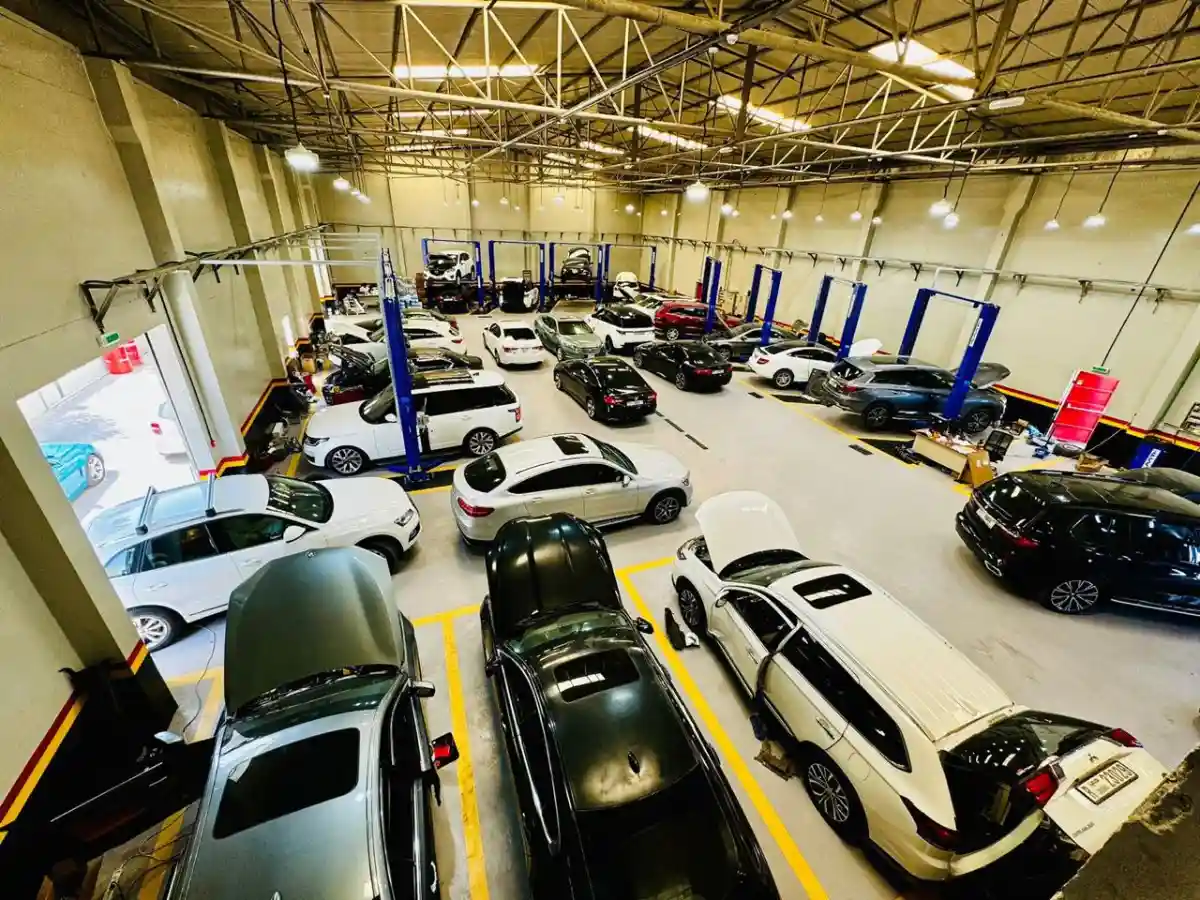
Your vehicle rarely waits in line. With 20+ lifts across a 30,000 sq. ft. floor, long teardowns run beside up to 120 daily jobs.
You pay up to 30% less than dealer rates, while genuine or OEM clutches, solenoids and seals keep the same fault from coming back.
Our 50 MOIAT-certified technicians follow maker procedures for oil level, torque and coding, so every gear change feels like the day you bought it.
Owners have given us 5.0★ across 87 Google reviews after 50,000+ completed jobs. Read a few before booking, then judge our work for yourself.
Your invoice clearly states the parts and labour cover. If the same shift problem reappears during that cover period, the fix is on us.
Dubai · Abu Dhabi · Sharjah
Driving on a slipping gearbox spreads damage fast, so we bring the vehicle in by recovery truck from any of the three emirates. Our free collection and return service also covers routine fluid changes, so you never lose a working day. Our Al Quoz facility sits close to Sheikh Zayed Road, which keeps drop-ins quick from Dubai, Abu Dhabi and Sharjah. Once the gearbox is sorted, our team can check every other system during the same visit.
Find our Al Quoz workshop on Google Maps DubaiAl Quoz
 Abu DhabiMusaffah
 SharjahIndustrial Area 10
A slipping or jerking gearbox only gets more expensive the longer you drive on it. At 800 Exotic, gearbox work sits alongside complete car repair in Dubai, and our specialists confirm the fault, use OEM-grade parts and test every shift. Book your car transmission repair in Dubai today and receive a written estimate first.
Answers
Only for a very short distance at low speed. Slipping creates heat, and heat burns clutch material within minutes. Stop driving and call for recovery to keep the bill small and affordable.
Often, yes. Many jerking CVTs only need fresh fluid, a software update or a step motor. We test belt slip and pulley condition first, then recommend replacement only if the unit is damaged.
Not when done correctly. Problems come from wrong fluid or skipped filters, not fresh oil itself. We inspect the old fluid first and adjust the service method to its condition.
Fluid services, solenoid swaps and leak fixes usually finish the same day or the next. Valve body work takes 2 to 3 days, while full overhauls and replacements can need up to a week.
If shifts still feel normal, a short drive to us at low speed is usually fine. Slipping, burning smells or overheating messages mean you should stop the vehicle and call for recovery.
5-star rated on Google
Every one of our 87 Google reviews is 5 stars. Read what owners say about their repairs, then see the full list on our Google profile.
Offering a full range of services, state-of-the-art equipment, and years of experience, we promise the finest care for your vehicle.