Engine Locked After Flooding
The starter clicks or strains but the engine does not turn. Water in a cylinder cannot compress, so the piston stops dead, and further cranking bends connecting rods. Leave the key alone and call us for recovery.
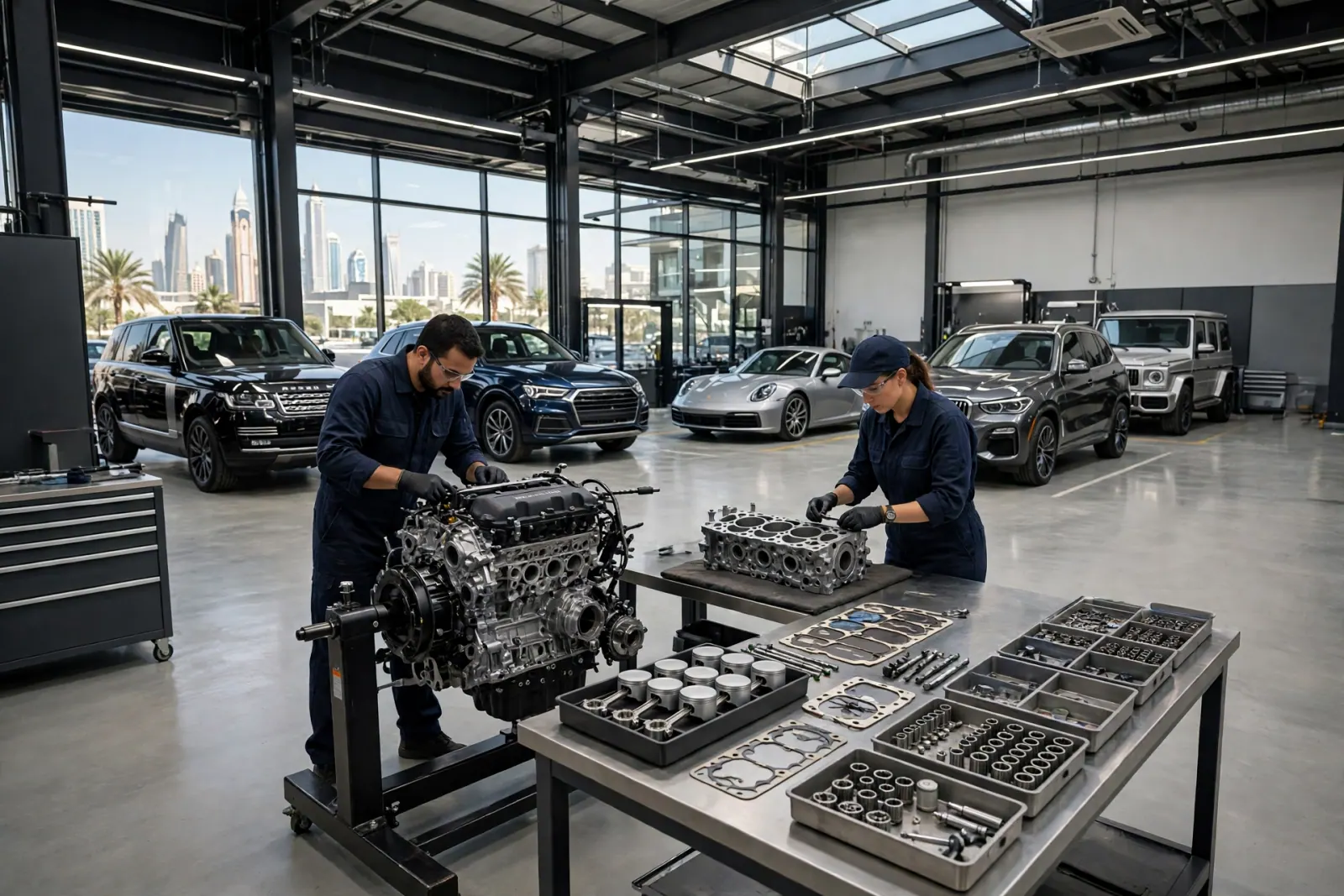
We handle engine repair in Sharjah from Industrial Area 10, from hydrolocked flood engines to overheating in traffic. We start every job with a free inspection and a written quote.
5-star on Google · 87 reviews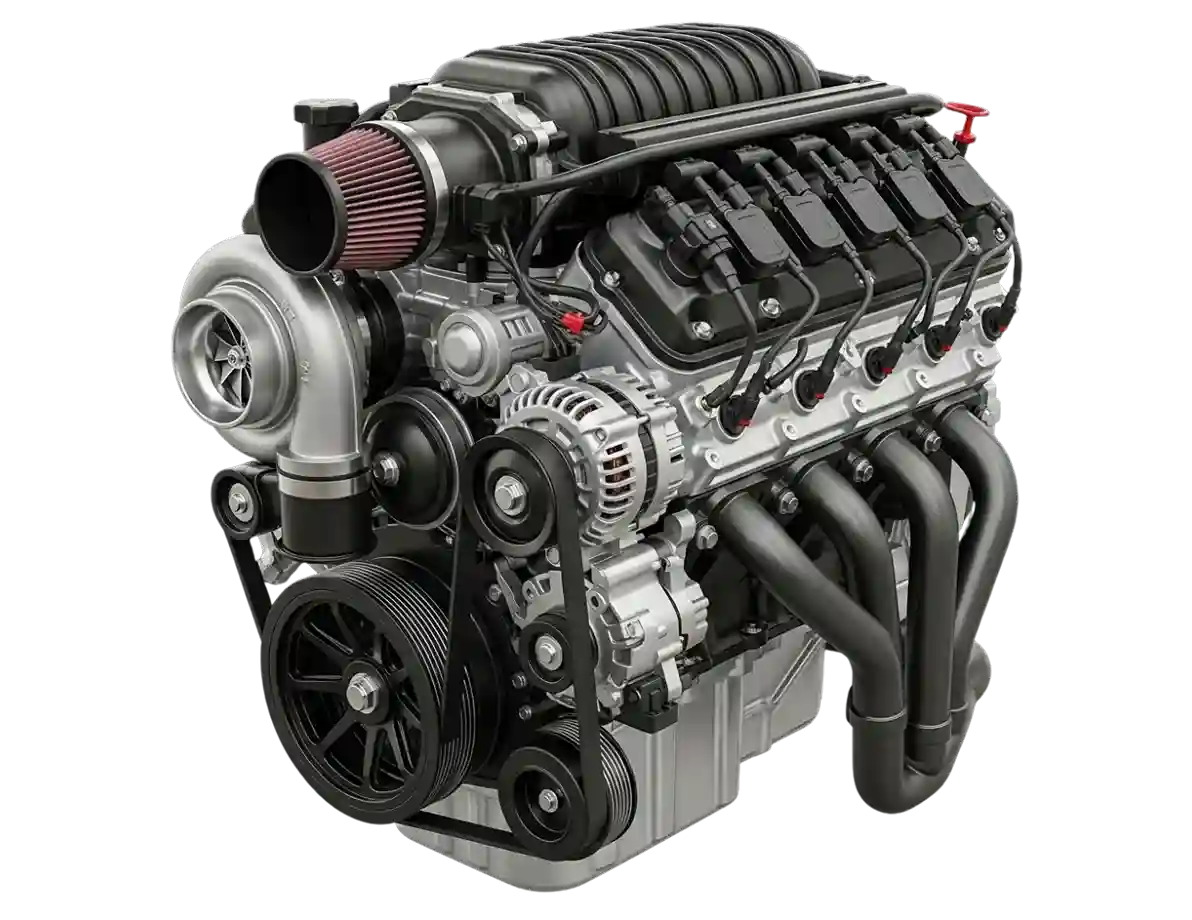
The facts
The April 2024 storm left deep water across Al Nahda, Al Qasimia, Abu Shagara, Al Majaz and Al Khan, all within about 10 km of our branch. Many flooded engines restarted and still run today, yet some carry hidden damage such as a slightly bent connecting rod or corrosion inside the bores.
Heat is the second risk. In a slow queue on a 46°C day, the engine idles with almost no airflow through the radiator, and heat soaks into coils, sensors, hoses and oil. That heat soak explains most of the overheating and rough idle cases we see from daily commuters.
Know the signs
The starter clicks or strains but the engine does not turn. Water in a cylinder cannot compress, so the piston stops dead, and further cranking bends connecting rods. Leave the key alone and call us for recovery.
Oil that looks like coffee with milk contains water or coolant, which flood water lets in through the intake, breather or dipstick tube. Milky oil strips the protective film from bearings within minutes of running, so we flush the engine fully first.
A rod bent by a small amount of water can still let the engine run. It shows up later as a knock, low compression in one cylinder or blue smoke. If an engine that restarted after April 2024 shows any of these, we run a compression test.
The temperature needle stays normal at 80 km/h but climbs in a jam. That pattern points to a weak cooling fan, a failing fan relay or a partly blocked radiator, since ram air at speed hides the fault.
Hot ignition coils break down and cause misfires at idle, and cracked vacuum hoses add unmetered air and log codes such as P0171. The engine smooths out once the car moves, which makes the fault easy to ignore.
Floodwater corrodes connectors for crank sensors, cam sensors and the engine control unit, so faults come and go, often after rain or a car wash. We trace the exact circuit with our car computer diagnostics before we replace anything.
We base each service below on a confirmed test result. We show you the reading or the failed part before you approve any work.
We remove the spark plugs or injectors, drain water from the cylinders and turn the engine by hand. We then run compression and borescope checks to see whether the rods and valves survived.
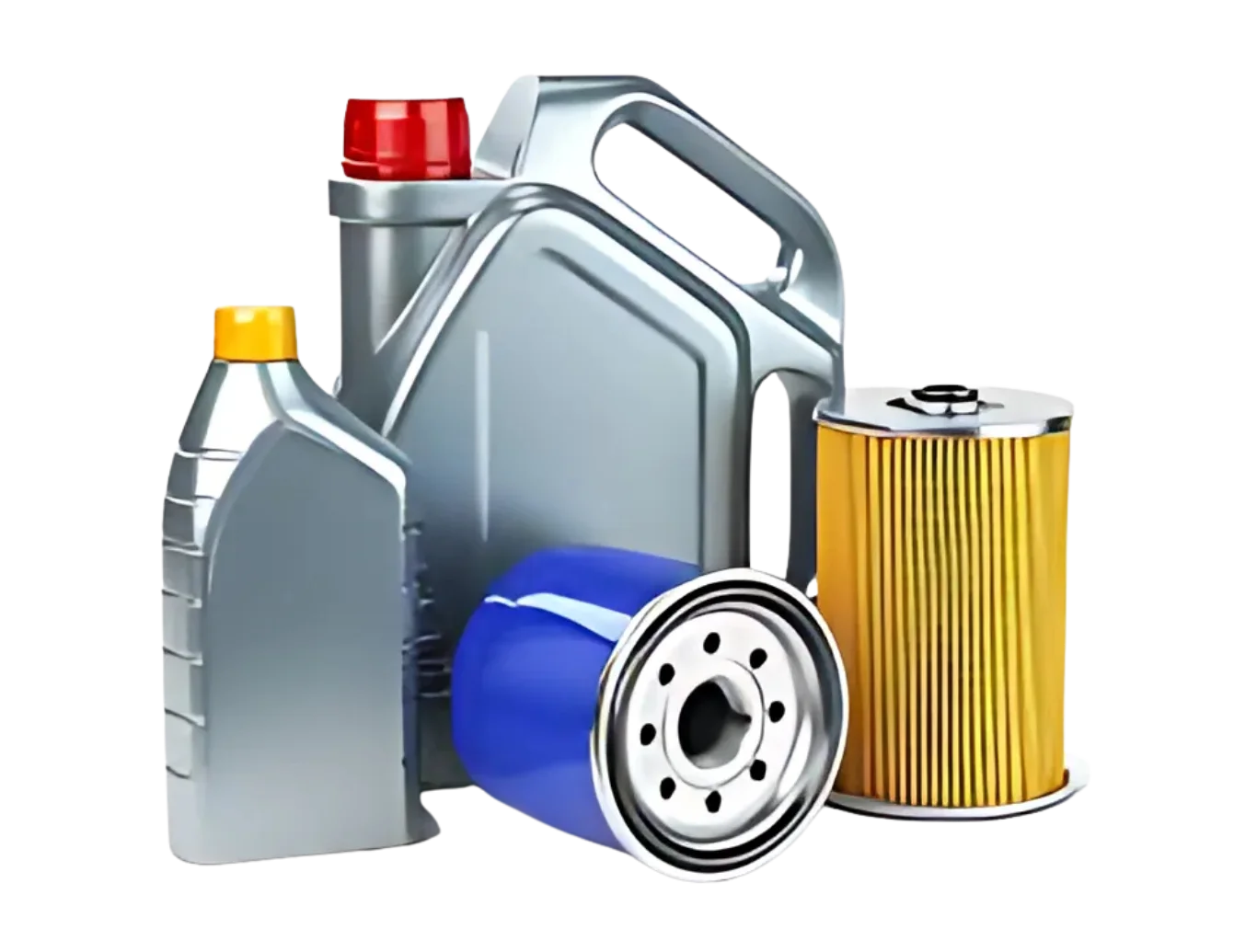
We clear water or coolant from the oil with repeated flushes of fresh oil and new filters. We also check the oil cooler and breather system so the contamination does not return.
We strip the engine when we find bent rods, scored bearings or damaged crank journals. We measure every clearance, machine or replace worn parts and rebuild to factory tolerances.
We test fan motors, relays, fan clutches and the coolant temperature sensor at idle. We then confirm the fix with a 20 minute idle test, watching for a stable gauge that holds up in traffic.
Repeated heat soak and overheating can lift a head gasket. We pressure test the circuit, run a block test for combustion gas and check the head for warping before resealing.
We test each coil and plug under load, then replace only the parts that fail. We fit heat resistant genuine or OEM coils, which hold up better in summer queues.
The height the water reached and whether the engine was running decide most outcomes. This table shows what we usually find and how we handle each case.
| Water Level Reached | Likely Engine Damage | What We Do | Usual Outcome |
|---|---|---|---|
| Below the door sills | Usually none to the engine | Inspect wiring, check oil and air filter | Service only |
| Above the sills, below the air intake | Wet sensors and connectors | Dry and treat connectors, scan for codes | Minor repair |
| Into the intake, engine switched off | Water in cylinders, no mechanical damage yet | Drain cylinders, flush oil, test compression | Engine usually saved |
| Into the intake, engine running | Bent rods, damaged pistons or valves | Strip and measure the bottom end | Rebuild or replacement |
| Over the bonnet, car submerged | Water in oil, intake, wiring and control units | Full strip and electrical assessment | Replacement often cheaper |
Water also reaches carpets, seats and foam, so we often combine this work with car upholstery in Sharjah to remove damp padding and odours.
Some engine families carry a known weak point that the maker later revised or covered with an extended warranty or service campaign. We check for these first when one of these engines comes in, before we look anywhere else.
| Engine Family | Found In | Known Fault | What We Check |
|---|---|---|---|
| VW Group EA888 2.0 TSI, early generations | 2008 to 2014 Audi and Volkswagen models, such as the A3, A4 and Q5 | Timing chain tensioner can fail and let the chain jump teeth | Tensioner part version and cam timing values in live data |
| BMW N20 2.0 turbo | 2012 to 2015 BMW 3 Series, 5 Series, X1, X3 and Z4 | Plastic timing chain guide breaks up, and the chain can fail | Chain whine on start, cam timing values, guide pieces in the oil pan |
| Mercedes M272 V6 | Early engines, mostly 2005 to 2008 C, E, CLK and ML models | Balance shaft sprocket wears, so cam timing drifts and codes P0016 or P0017 set | Engine serial number against the affected range, cam deviation readings |
| Toyota 2GR-FE 3.5 V6 | 2005 to 2010 Avalon, Camry, RAV4 and Sienna, plus the 2008 Highlander, 2007 to 2008 Lexus ES 350 and 2007 to 2009 RX 350 | Rubber section of the VVT-i oil hose degrades and can leak oil suddenly | Hose type and condition, then fit the updated hose |
A P0016 or P0017 code on an M272 can also come from a failed cam sensor or a sticking cam adjuster magnet. We test those cheaper parts before we quote an engine out repair.
Rubber timing belts wear with age as well as distance, so makers set a limit in kilometres and years. Heat hardens rubber, and a Sharjah car that mostly idles in queues can hit the age limit long before the mileage, so we go by whichever comes first.
Chains are built to last the engine's life, yet late oil changes wear the pins and stretch them. The engine control unit sees the stretch as a cam to crank timing error, so we read those values in live data before any rattle starts.
Some small turbo engines, such as the Ford 1.0 EcoBoost and earlier versions of the Stellantis 1.2 PureTech, run a wet timing belt inside the engine oil. The belt wears faster on the wrong oil grade, so we fit only the oil your maker lists and inspect the belt for swelling or loose fibres.
On direct injection engines, fuel sprays straight into the cylinder and never washes the backs of the intake valves. Oil vapour from the crankcase breather bakes onto them, which causes rough cold idle and misfires. Toyota's D-4S engines add port injectors to keep the valves clean.
We remove the intake manifold, check each valve with a borescope and blast the carbon off with crushed walnut shell. The shell is soft enough to spare the valve seats, and we vacuum every grain out before refitting.
Water in a cylinder stops the piston dead, and the force often bends the connecting rod. A bent rod shortens the stroke, so that cylinder reads low compression, and we measure the rods against each other on the bench. We also look for rust rings on the bores and cracked piston skirts.
On 23 April 2024, a week after the storm, Sharjah was still pumping water out of Al Nahda, Al Qasimia, Abu Shagara and Al Majaz. Industry estimates put the vehicles damaged in those floods at about 100,000, mostly in Dubai, Sharjah and Ajman. Cars that stood in that water took it in through the air intake, breathers and connectors, and the damage often surfaces months later as a knock or a sensor fault.
Heat adds a second load. With August nights near 31°C, an engine parked after an evening queue barely cools before the next trip, so we test the fan and coolant on every flood or heat case.
Since May 2024, Al Wahda and Al Ittihad roads carry an 80 km/h limit between the Abu Shaghara interchange and Al Taawun Bridge. The Dubai side of Al Ittihad Road has run at 80 km/h since November 2023, as The National reported. Peak hour traffic on both stretches moves well below those limits, so the engine spends long periods idling, then short bursts under load.
That pattern is hard on cooling systems and oil. Short trips also stop oil from reaching full temperature, so moisture and fuel collect in the sump. If you drive the E311 to Dubai, you face the same cycle twice a day, so we advise shorter oil change intervals and a cooling check before every summer.
Oil Interval: Change oil every 5,000 to 7,500 km on a daily stop and go commute.
Fan Test: Check that the cooling fan cuts in at idle with the AC on.
Coolant Check: Renew standard coolant every 2 years to keep its boiling protection.
Coil Inspection: Test ignition coils if the idle turns rough after a long queue.
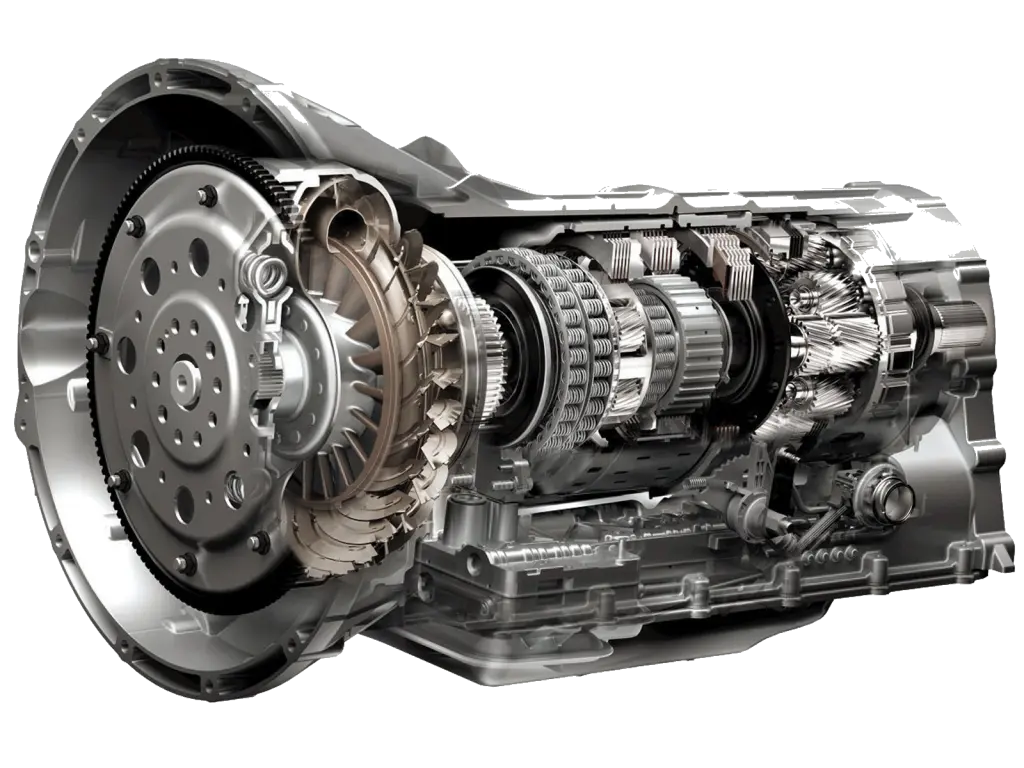
Gearbox Fluid: The same queues heat transmission fluid, so our Sharjah gearbox repair team in the same building often checks it during an engine visit.
Step by step
We bring the car in on a flatbed with our car recovery truck. Nobody tries the starter, which protects the rods from further damage.
We drain oil, coolant and fuel, then inspect each for water. The samples tell us how far the water travelled inside the engine.
We take out the spark plugs or injectors and turn the crank slowly by hand. That forces water out before the engine ever fires.
We run a compression test and a borescope check to find bent rods, damaged valves or scored bores. We log every reading for your insurer.
We send you photos, readings and an itemised price on WhatsApp. We start only after you approve the parts and labour.
We idle the repaired engine for 20 minutes, then road test it in real traffic. We check temperature, codes and oil before handover.
Why 800 Exotic
We start every engine visit with a free inspection. You see compression readings, scan results and photos of the damage before you spend anything on parts or labour.
We list each part and labour hour on your quote before work begins. Our rates sit up to 30% below main dealer pricing, with no surprise charges added at collection.
We fit genuine or OEM bearings, gaskets, coils and sensors. We name where each part came from on the invoice, which also helps when your insurer asks for proof.
Our MOIAT certified mechanics follow factory data for clearances, torque values and fluid specifications. That precision matters most on rebuilt flood engines and modern turbocharged units.
We give each engine repair a written warranty covering parts and labour. If the same fault returns inside that period, we correct it at no extra cost.
We have repaired 50,000+ vehicles over more than 15 years and hold a 5.0★ Google rating from 87 reviews from owners across the UAE.
Sharjah · Industrial Area 10
We are in Industrial Area 10, close to the Dubai border. Al Nahda is about 7 km away, roughly 11 minutes off peak. Al Khan, Al Majaz and Al Taawun are each about 8 to 10 km, mostly via the S102, and Muwaileh and University City are about 10 to 11 km east via the E311.
Ajman City Centre is about 15 km via the E11, around 19 minutes off peak. We collect and return cars for free on routine visits, and our recovery trucks bring in engines that cannot be driven. The first phase of the Al Taawun road project opened on 4 November 2026, with new bridges and junctions on the main route towards Dubai. We offer engine repair in Sharjah for German, British, Italian, American and Asian makes, from family SUVs to Lamborghini.
Al Qusais in Dubai is only about 7 km away. If you live or work deeper in Dubai, you can use our engine repair in Dubai at the Al Quoz head office. Through our car repair in Sharjah, we cover brakes, AC, suspension and every other system at the same branch.
Find our Industrial Area 10 workshop on Google Maps DubaiAl Quoz
 Abu DhabiMusaffah
 SharjahIndustrial Area 10
Send us your symptoms or photos on WhatsApp, and we book a free inspection and send a written quote before any work starts.
Answers
Often, yes. If the engine stalled and nobody kept cranking it, we usually save it by draining the cylinders and flushing the oil. Bent rods or cracked pistons call for a rebuild or a replacement engine instead.
It depends on your policy. After the April 2024 floods, some insurers rejected claims from drivers who drove through floodwater, and motor premiums rose by up to 30%. We give you a written report with photos and readings to support your claim.
Yes. A slightly bent rod or corroded bore can take months to show as knocking, blue smoke or low compression. Our compression and borescope check gives you a clear answer for a small cost.
At 80 km/h, moving air cools the radiator. In a queue, only the fan does that job, so a gauge that rises in traffic usually means a weak fan, a faulty relay or a partly blocked radiator.
Yes. Sharjah vehicles require a valid technical test to renew registration, at Tasjeel, Shamil or through the Rafid app. We clear warning lights, leaks and smoke issues before your test date.
Call or WhatsApp us with your location. We collect the car on our recovery truck and bring it to Industrial Area 10, then send a written quote after diagnosis and start only once you approve it.
5-star rated on Google
Every one of our 87 Google reviews is 5 stars. Read what owners say about their repairs, then see the full list on our Google profile.
Offering a full range of services, state-of-the-art equipment, and years of experience, we promise the finest care for your vehicle.